| Título : |
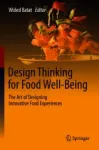
Design Thinking for Food Well-Being : The Art of Designing Innovative Food Experiences |
| Tipo de documento: |
documento electrónico |
| Autores: |
Batat, Wided, |
| Mención de edición: |
1 ed. |
| Editorial: |
[s.l.] : Springer |
| Fecha de publicación: |
2021 |
| Número de páginas: |
XXXIII, 277 p. 64 ilustraciones |
| ISBN/ISSN/DL: |
978-3-030-54296-2 |
| Nota general: |
Libro disponible en la plataforma SpringerLink. Descarga y lectura en formatos PDF, HTML y ePub. Descarga completa o por capítulos. |
| Palabras clave: |
Marca (Mercadotecnia) Innovaciones tecnológicas Comportamiento del consumidor Industria de artículos de lujo Conocimiento administrativo Marca Gestión de Innovación y Tecnología Lujo |
| Índice Dewey: |
658.827 |
| Resumen: |
¿Cómo podemos diseñar experiencias alimentarias innovadoras que mejoren el placer de la comida y el bienestar del consumidor? A través de una amplia variedad de contribuciones empíricas, metodológicas y teóricas, que examinan el arte de diseñar experiencias alimentarias innovadoras, este libro editado explora la relación entre el pensamiento de diseño, la experiencia alimentaria y el bienestar alimentario. Si bien muchos aspectos de la innovación alimentaria se centran en las características de los productos, en este libro el pensamiento de diseño sigue una perspectiva experiencial para crear una nueva lógica de diseño de innovación alimentaria que integra dos aspectos: el bienestar alimentario del consumidor y el placer experiencial de la comida. Integra una perspectiva holística para comprender cómo el diseño de experiencias alimentarias innovadoras, en lugar de productos alimenticios, puede promover conductas alimentarias saludables y placenteras entre los consumidores y ayudarlos a lograr su bienestar alimentario. Este libro, de valor incalculable para académicos, profesionales de la industria alimentaria, pensadores del diseño, estudiantes y aficionados, definirá el campo de la innovación alimentaria en los años venideros. . |
| Nota de contenido: |
Part I- Design Thinking For Food Well-Being: Foundations And Origins -- Chapter 1. From design thinking (DT) to experiential design thinking (EDT): New tool to rethink food innovation for consumer well-being -- Chapter 2. The history of design thinking and its contributions to food experiences and well-being -- Chapter 3. How can design thinking influence food choices and healthy eating experiences among consumers? -- Chapter 4. How to use co-creation in design thinking to promote and enhance healthy food experience among vulnerable populations -- Chapter 5. How will empathetic design thinking influence food experience innovation? A practitioner perspective on food well-being -- Part II- Implementation Of Design Thinking For Food Experience Innovation And Well-Being -- Chapter 6. Psychological mechanisms underlying design thinking's impact on gustatory perception: Implications for food experiences and well-being -- Chapter 7. How food experience through ambiance and food design can promote thewell-being of consumers -- Chapter 8. The role of emotions in designing innovative food experiences for consumer well-being: Contributions to design thinking -- Chapter 9. Design thinking for food well-being: An adolescent language perspective -- Chapter 10. Luxury foodservices: The design thinking approach and contributions to food well-being -- Chapter 11. Food well-being in the higher education sector: How to leverage design thinking to create healthy and pleasurable food experiences among college students -- Part III - Design Thinking For Innovative Food Experiences And Well-Being: What's Next? Chapter 12. Integrating consumer food experience with health and sustainability outcomes: The critical role of design imperatives -- Chapter 13. An experiential view of food design thinking: Expanding consumer centricity for food well-being -- Chapter 14. Precision retailing: Building upon design thinking for societal-scale food convergence innovation and well-being -- Chapter 15. Design thinking to engage consumers in achieving zero waste food experiences: The CEASE framework -- Chapter 16. From food product to food experience: How to use design thinking to service vulnerable populations and improve their food well-being. |
| En línea: |
https://link-springer-com.biblioproxy.umanizales.edu.co/referencework/10.1007/97 [...] |
| Link: |
https://biblioteca.umanizales.edu.co/ils/opac_css/index.php?lvl=notice_display&i |
Design Thinking for Food Well-Being : The Art of Designing Innovative Food Experiences [documento electrónico] / Batat, Wided, . - 1 ed. . - [s.l.] : Springer, 2021 . - XXXIII, 277 p. 64 ilustraciones. ISBN : 978-3-030-54296-2 Libro disponible en la plataforma SpringerLink. Descarga y lectura en formatos PDF, HTML y ePub. Descarga completa o por capítulos.
| Palabras clave: |
Marca (Mercadotecnia) Innovaciones tecnológicas Comportamiento del consumidor Industria de artículos de lujo Conocimiento administrativo Marca Gestión de Innovación y Tecnología Lujo |
| Índice Dewey: |
658.827 |
| Resumen: |
¿Cómo podemos diseñar experiencias alimentarias innovadoras que mejoren el placer de la comida y el bienestar del consumidor? A través de una amplia variedad de contribuciones empíricas, metodológicas y teóricas, que examinan el arte de diseñar experiencias alimentarias innovadoras, este libro editado explora la relación entre el pensamiento de diseño, la experiencia alimentaria y el bienestar alimentario. Si bien muchos aspectos de la innovación alimentaria se centran en las características de los productos, en este libro el pensamiento de diseño sigue una perspectiva experiencial para crear una nueva lógica de diseño de innovación alimentaria que integra dos aspectos: el bienestar alimentario del consumidor y el placer experiencial de la comida. Integra una perspectiva holística para comprender cómo el diseño de experiencias alimentarias innovadoras, en lugar de productos alimenticios, puede promover conductas alimentarias saludables y placenteras entre los consumidores y ayudarlos a lograr su bienestar alimentario. Este libro, de valor incalculable para académicos, profesionales de la industria alimentaria, pensadores del diseño, estudiantes y aficionados, definirá el campo de la innovación alimentaria en los años venideros. . |
| Nota de contenido: |
Part I- Design Thinking For Food Well-Being: Foundations And Origins -- Chapter 1. From design thinking (DT) to experiential design thinking (EDT): New tool to rethink food innovation for consumer well-being -- Chapter 2. The history of design thinking and its contributions to food experiences and well-being -- Chapter 3. How can design thinking influence food choices and healthy eating experiences among consumers? -- Chapter 4. How to use co-creation in design thinking to promote and enhance healthy food experience among vulnerable populations -- Chapter 5. How will empathetic design thinking influence food experience innovation? A practitioner perspective on food well-being -- Part II- Implementation Of Design Thinking For Food Experience Innovation And Well-Being -- Chapter 6. Psychological mechanisms underlying design thinking's impact on gustatory perception: Implications for food experiences and well-being -- Chapter 7. How food experience through ambiance and food design can promote thewell-being of consumers -- Chapter 8. The role of emotions in designing innovative food experiences for consumer well-being: Contributions to design thinking -- Chapter 9. Design thinking for food well-being: An adolescent language perspective -- Chapter 10. Luxury foodservices: The design thinking approach and contributions to food well-being -- Chapter 11. Food well-being in the higher education sector: How to leverage design thinking to create healthy and pleasurable food experiences among college students -- Part III - Design Thinking For Innovative Food Experiences And Well-Being: What's Next? Chapter 12. Integrating consumer food experience with health and sustainability outcomes: The critical role of design imperatives -- Chapter 13. An experiential view of food design thinking: Expanding consumer centricity for food well-being -- Chapter 14. Precision retailing: Building upon design thinking for societal-scale food convergence innovation and well-being -- Chapter 15. Design thinking to engage consumers in achieving zero waste food experiences: The CEASE framework -- Chapter 16. From food product to food experience: How to use design thinking to service vulnerable populations and improve their food well-being. |
| En línea: |
https://link-springer-com.biblioproxy.umanizales.edu.co/referencework/10.1007/97 [...] |
| Link: |
https://biblioteca.umanizales.edu.co/ils/opac_css/index.php?lvl=notice_display&i |
|  |
 Design Thinking for Food Well-Being