| Título : |
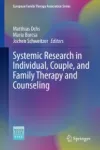
Systemic Research in Individual, Couple, and Family Therapy and Counseling |
| Tipo de documento: |
documento electrónico |
| Autores: |
Ochs, Matthias, ; Borcsa, Maria, ; Schweitzer, Jochen, |
| Mención de edición: |
1 ed. |
| Editorial: |
[s.l.] : Springer |
| Fecha de publicación: |
2020 |
| Número de páginas: |
XVIII, 439 p. 47 ilustraciones, 28 ilustraciones en color. |
| ISBN/ISSN/DL: |
978-3-030-36560-8 |
| Nota general: |
Libro disponible en la plataforma SpringerLink. Descarga y lectura en formatos PDF, HTML y ePub. Descarga completa o por capítulos. |
| Palabras clave: |
Asesoramiento Servicio social Terapia sistémica (terapia familiar) Sociología Grupos sociales Asesoramiento psicológico Trabajo Social Terapia de sistemas o familiar Sociología de la familia la juventud y el envejecimiento |
| Índice Dewey: |
158.3 |
| Resumen: |
Este libro examina la investigación sobre terapia familiar sistémica, abordando temas clave en las disciplinas interrelacionadas de la psicoterapia, el trabajo social y el asesoramiento. A partir de las contribuciones de la Conferencia Internacional de Investigación Sistémica de 2017 en Heidelberg, incluye perspectivas de investigación tanto cuantitativas como cualitativas y describe una amplia gama de enfoques, utilizando la teoría de sistemas y la epistemología constructivista. Además, el libro se centra en paradigmas, estrategias de investigación y métodos innovadores, buscando cerrar la brecha entre la investigación y la práctica en el campo de la terapia familiar sistémica. Finalmente, proporciona orientación sobre cómo enviar y maximizar la probabilidad de aceptación de trabajos de investigación en las principales revistas de terapia familiar. Los temas que se presentan en este libro incluyen: Efectividad de la terapia sistémica basada en investigaciones. Intervenciones basadas en mindfulness y compasión en contextos relacionales. Uso de SCORE (Systemic Clinical Outcome and Routine Assessment) como indicador del funcionamiento familiar en Europa. Enfoques sistémicos para trabajar con parejas con conductas altamente conflictivas. Desarrollo de habilidades orientadas a factores terapéuticos en asesoramiento sistémico. Importancia de los comentarios de los clientes en el desarrollo de una base de conocimientos profesionales. La investigación sistémica en terapia y asesoramiento individual, de pareja y familiar es un recurso imprescindible para investigadores, profesores y estudiantes de posgrado en terapia familiar, psicología clínica, práctica general/medicina familiar y trabajo social, así como toda la psicología y la medicina interrelacionadas. subdisciplinas. |
| Nota de contenido: |
Chapter 1.The Heidelberg Systemic Research Conferences: Its History, Goals and Outcomes -- Section 1: Innovations in Systemic Research Paradigms -- Chapter 2. Contributions of Systemic Research to the Development of Psychotherapy -- Chapter 3. The Social Present in Psychotherapy: Duration of Nowness in Therapeutic Interaction -- Chapter 4. Significant Moments in a Couple Therapy Session: Towards the Integration of Different Modalities of Analysis -- Chapter 5. Collaborative Family Program Development: Research Methods that Investigate and Foster Resilience and Engagement in Marginalized Communities -- Chapter 6. Resilience of Individuals, Families, Communities and Environments: Mutually Dependent Protective Processes and Complex Systems -- Section 2: Methodological Considerations -- Chapter 7. Relational Research (Trans)forming Practices -- Chapter 8. Discourse Analysis and Systemic Family Therapy Research: The Methodological Contributionof Discursive Psychology -- Chapter 9. From Research on Dialogical Practice to Dialogical Research: Open Dialogue is Based on A Continuous Scientific Analysis -- Chapter 10. Systemic Practitioner Research: Some (Epistemological) Considerations and Examples -- Chapter 11. Family Secrecy – A Challenge for Researchers -- Section 3: Answering Clinical Issues Using Scientific Knowledge and Methods -- Chapter 12. Mentalization in Systemic Therapy and its Empirical Evidence -- Chapter 13. Mindfulness and Compassion-Based Interventions in Relational Contexts -- Chapter 14. What are the Emotions? How Emotion-Focused Therapy Could Inspire Systemic Practice -- Chapter 15. From Reactivity to Relational Empowerment in Couple Therapy: Insights from Interpersonal Neurobiology -- Chapter 16. Relationship Distress: Empirical Evidence for a Relational Needs Perspective -- Chapter 17. Violence in Families: Systemic Practice and Research -- Section 4:Improving Therapy Quality by Feedback.– Training and Publication -- Chapter 18. Research Informed Practice of Systemic Therapy -- Chapter 19. The Effectiveness of Three Psychotherapies of Different Type and Length in the Treatment of Patients Suffering from Anxiety Disorders -- Chapter 20. The SCORE in Europe: Measuring Effectiveness and Assisting Therapy -- Chapter 21. The Idiographic Voice in a Nomothetic World: Why Client Feedback is Essential to Our Professional Knowledge -- Chapter 22. Therapeutic-Factor-Oriented Skill-Building in Systemic Counselling: Productively Conjoining Attitude and Method -- Chapter 23. Publication in Family Therapy Journals: Family Process, Journal of Family Therapy and Australian and New Zealand Journal of Family Therapy – A Discussion with Editors. . |
| En línea: |
https://link-springer-com.biblioproxy.umanizales.edu.co/referencework/10.1007/97 [...] |
| Link: |
https://biblioteca.umanizales.edu.co/ils/opac_css/index.php?lvl=notice_display&i |
Systemic Research in Individual, Couple, and Family Therapy and Counseling [documento electrónico] / Ochs, Matthias, ; Borcsa, Maria, ; Schweitzer, Jochen, . - 1 ed. . - [s.l.] : Springer, 2020 . - XVIII, 439 p. 47 ilustraciones, 28 ilustraciones en color. ISBN : 978-3-030-36560-8 Libro disponible en la plataforma SpringerLink. Descarga y lectura en formatos PDF, HTML y ePub. Descarga completa o por capítulos.
| Palabras clave: |
Asesoramiento Servicio social Terapia sistémica (terapia familiar) Sociología Grupos sociales Asesoramiento psicológico Trabajo Social Terapia de sistemas o familiar Sociología de la familia la juventud y el envejecimiento |
| Índice Dewey: |
158.3 |
| Resumen: |
Este libro examina la investigación sobre terapia familiar sistémica, abordando temas clave en las disciplinas interrelacionadas de la psicoterapia, el trabajo social y el asesoramiento. A partir de las contribuciones de la Conferencia Internacional de Investigación Sistémica de 2017 en Heidelberg, incluye perspectivas de investigación tanto cuantitativas como cualitativas y describe una amplia gama de enfoques, utilizando la teoría de sistemas y la epistemología constructivista. Además, el libro se centra en paradigmas, estrategias de investigación y métodos innovadores, buscando cerrar la brecha entre la investigación y la práctica en el campo de la terapia familiar sistémica. Finalmente, proporciona orientación sobre cómo enviar y maximizar la probabilidad de aceptación de trabajos de investigación en las principales revistas de terapia familiar. Los temas que se presentan en este libro incluyen: Efectividad de la terapia sistémica basada en investigaciones. Intervenciones basadas en mindfulness y compasión en contextos relacionales. Uso de SCORE (Systemic Clinical Outcome and Routine Assessment) como indicador del funcionamiento familiar en Europa. Enfoques sistémicos para trabajar con parejas con conductas altamente conflictivas. Desarrollo de habilidades orientadas a factores terapéuticos en asesoramiento sistémico. Importancia de los comentarios de los clientes en el desarrollo de una base de conocimientos profesionales. La investigación sistémica en terapia y asesoramiento individual, de pareja y familiar es un recurso imprescindible para investigadores, profesores y estudiantes de posgrado en terapia familiar, psicología clínica, práctica general/medicina familiar y trabajo social, así como toda la psicología y la medicina interrelacionadas. subdisciplinas. |
| Nota de contenido: |
Chapter 1.The Heidelberg Systemic Research Conferences: Its History, Goals and Outcomes -- Section 1: Innovations in Systemic Research Paradigms -- Chapter 2. Contributions of Systemic Research to the Development of Psychotherapy -- Chapter 3. The Social Present in Psychotherapy: Duration of Nowness in Therapeutic Interaction -- Chapter 4. Significant Moments in a Couple Therapy Session: Towards the Integration of Different Modalities of Analysis -- Chapter 5. Collaborative Family Program Development: Research Methods that Investigate and Foster Resilience and Engagement in Marginalized Communities -- Chapter 6. Resilience of Individuals, Families, Communities and Environments: Mutually Dependent Protective Processes and Complex Systems -- Section 2: Methodological Considerations -- Chapter 7. Relational Research (Trans)forming Practices -- Chapter 8. Discourse Analysis and Systemic Family Therapy Research: The Methodological Contributionof Discursive Psychology -- Chapter 9. From Research on Dialogical Practice to Dialogical Research: Open Dialogue is Based on A Continuous Scientific Analysis -- Chapter 10. Systemic Practitioner Research: Some (Epistemological) Considerations and Examples -- Chapter 11. Family Secrecy – A Challenge for Researchers -- Section 3: Answering Clinical Issues Using Scientific Knowledge and Methods -- Chapter 12. Mentalization in Systemic Therapy and its Empirical Evidence -- Chapter 13. Mindfulness and Compassion-Based Interventions in Relational Contexts -- Chapter 14. What are the Emotions? How Emotion-Focused Therapy Could Inspire Systemic Practice -- Chapter 15. From Reactivity to Relational Empowerment in Couple Therapy: Insights from Interpersonal Neurobiology -- Chapter 16. Relationship Distress: Empirical Evidence for a Relational Needs Perspective -- Chapter 17. Violence in Families: Systemic Practice and Research -- Section 4:Improving Therapy Quality by Feedback.– Training and Publication -- Chapter 18. Research Informed Practice of Systemic Therapy -- Chapter 19. The Effectiveness of Three Psychotherapies of Different Type and Length in the Treatment of Patients Suffering from Anxiety Disorders -- Chapter 20. The SCORE in Europe: Measuring Effectiveness and Assisting Therapy -- Chapter 21. The Idiographic Voice in a Nomothetic World: Why Client Feedback is Essential to Our Professional Knowledge -- Chapter 22. Therapeutic-Factor-Oriented Skill-Building in Systemic Counselling: Productively Conjoining Attitude and Method -- Chapter 23. Publication in Family Therapy Journals: Family Process, Journal of Family Therapy and Australian and New Zealand Journal of Family Therapy – A Discussion with Editors. . |
| En línea: |
https://link-springer-com.biblioproxy.umanizales.edu.co/referencework/10.1007/97 [...] |
| Link: |
https://biblioteca.umanizales.edu.co/ils/opac_css/index.php?lvl=notice_display&i |
|  |
 Systemic Research in Individual, Couple, and Family Therapy and Counseling