| Título : |
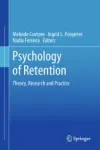
Psychology of Retention : Theory, Research and Practice |
| Tipo de documento: |
documento electrónico |
| Autores: |
Coetzee, Melinde, ; Potgieter, Ingrid L., ; Ferreira, Nadia, |
| Mención de edición: |
1 ed. |
| Editorial: |
[s.l.] : Springer |
| Fecha de publicación: |
2018 |
| Número de páginas: |
XIX, 440 p. 23 ilustraciones, 10 ilustraciones en color. |
| ISBN/ISSN/DL: |
978-3-319-98920-4 |
| Nota general: |
Libro disponible en la plataforma SpringerLink. Descarga y lectura en formatos PDF, HTML y ePub. Descarga completa o por capítulos. |
| Palabras clave: |
Psicología Industrial Promoción de la salud de los empleados Calidad de vida Psicología del Trabajo y Organizacional Salud y bienestar de los empleados Investigación sobre calidad de vida |
| Índice Dewey: |
158.7 |
| Resumen: |
Este libro ofrece una revisión contemporánea de la retención del talento desde el punto de vista de la gestión de recursos humanos y la psicología industrial/organizacional. Con una perspectiva práctica y relevante, enriquece el conocimiento crítico y la comprensión de la psicología de la retención del talento. Ofrece interpretación de factores difíciles que enfrentan las organizaciones, como la conceptualización del talento, la previsión de la oferta y la demanda de talento, los factores externos e internos que influyen en la atracción, el desarrollo y la retención del talento, la alineación entre la gestión del talento y la estrategia empresarial. También se cubre la implementación de prácticas y estrategias de recursos humanos en respuesta a las necesidades de diferentes contextos organizacionales y características de la fuerza laboral. Las contribuciones de los capítulos no sólo enriquecerán el conocimiento y la comprensión del complejo fenómeno de la retención de talentos, sino que también promoverán nuevas formas originales de pensar e investigar esta área de investigación de importancia crítica. El libro está destinado a estudiantes de posgrado e investigadores como una descripción general del tema de la retención de talentos; los profesionales también lo encontrarán informativo. |
| Nota de contenido: |
Chapter 1. The digital disruption of everything (John Ludike) -- Chapter 2. The employee value propositions as a talent retention mechanism in the VUCA world (Dieter Veldsman) -- Chapter 3. A framework for understanding turnover intention (Gert Roodt) -- Chapter 4. Psychological factors that influence turnover intention: Are they similar across Professional and Administrative job-types? (Leon de Beer) -- Chapter 5. The influence of personal attributes on retention (Ingrid L. Potgieter) -- Chapter 6. Capitalising on employee's psychological wellbeing attributes in managing their retention (Melinde Coetzee) -- Chapter 7. The Flow@Work model as a talent retention framework for the knowledge economy (Dieter Veldsman) -- Chapter 8. Using the Job Embeddedness Theory as a Tool for Improving Employee Retention (Brooks C. Holtom) -- Chapter 9. Job Demands, Job Resources and Employee Turnover: The Mediating Effects of Flourishing at Work (Ian Rothmann) -- Chapter 10. Talent retention strategies: The role of self-regulatory career behaviour among working adults (Nadia Ferreira) -- Chapter 11.Multi-generational workforce and its implications for talent retention strategies (Violetta Khoreva) -- Chapter. 12. Millennial and psychological contract: Social constructivist approach (Ade Ima Anggraeni) -- Chapter 13. Millennial employees' retention challenge? Mentoring is the solution ) Mohammad Faraz Naim) -- Chapter 14. The same but different: Implications of variation in anticipatory psychological contracts for retention of young talents(Nada Zupan) -- Chapter 15. Barriers to older people's retention in non-profit organizations: A literature review and conceptual framework (Rodrigo Serrat) -- Chapter 16. A psychological retention profile: The role of the psychological contract in predicting satisfaction with retention factors (Alda Deas) -- Chapter 17. Effects of job embeddedness on organizational citizenship behavior and organizational identification (R. Anbumathi) -- Chapter 18. - Remuneration solutions to retention questions (Mark Bussin) -- Chapter 19. Total rewards as retention-related dispositions influencing the retention employees (Calvin Mabaso) -- Chapter 20. The organisational strategic business context, strategy and the alignment with talent management best practices that deliver real business benefits (Francois Du Plessis). |
| En línea: |
https://link-springer-com.biblioproxy.umanizales.edu.co/referencework/10.1007/97 [...] |
| Link: |
https://biblioteca.umanizales.edu.co/ils/opac_css/index.php?lvl=notice_display&i |
Psychology of Retention : Theory, Research and Practice [documento electrónico] / Coetzee, Melinde, ; Potgieter, Ingrid L., ; Ferreira, Nadia, . - 1 ed. . - [s.l.] : Springer, 2018 . - XIX, 440 p. 23 ilustraciones, 10 ilustraciones en color. ISBN : 978-3-319-98920-4 Libro disponible en la plataforma SpringerLink. Descarga y lectura en formatos PDF, HTML y ePub. Descarga completa o por capítulos.
| Palabras clave: |
Psicología Industrial Promoción de la salud de los empleados Calidad de vida Psicología del Trabajo y Organizacional Salud y bienestar de los empleados Investigación sobre calidad de vida |
| Índice Dewey: |
158.7 |
| Resumen: |
Este libro ofrece una revisión contemporánea de la retención del talento desde el punto de vista de la gestión de recursos humanos y la psicología industrial/organizacional. Con una perspectiva práctica y relevante, enriquece el conocimiento crítico y la comprensión de la psicología de la retención del talento. Ofrece interpretación de factores difíciles que enfrentan las organizaciones, como la conceptualización del talento, la previsión de la oferta y la demanda de talento, los factores externos e internos que influyen en la atracción, el desarrollo y la retención del talento, la alineación entre la gestión del talento y la estrategia empresarial. También se cubre la implementación de prácticas y estrategias de recursos humanos en respuesta a las necesidades de diferentes contextos organizacionales y características de la fuerza laboral. Las contribuciones de los capítulos no sólo enriquecerán el conocimiento y la comprensión del complejo fenómeno de la retención de talentos, sino que también promoverán nuevas formas originales de pensar e investigar esta área de investigación de importancia crítica. El libro está destinado a estudiantes de posgrado e investigadores como una descripción general del tema de la retención de talentos; los profesionales también lo encontrarán informativo. |
| Nota de contenido: |
Chapter 1. The digital disruption of everything (John Ludike) -- Chapter 2. The employee value propositions as a talent retention mechanism in the VUCA world (Dieter Veldsman) -- Chapter 3. A framework for understanding turnover intention (Gert Roodt) -- Chapter 4. Psychological factors that influence turnover intention: Are they similar across Professional and Administrative job-types? (Leon de Beer) -- Chapter 5. The influence of personal attributes on retention (Ingrid L. Potgieter) -- Chapter 6. Capitalising on employee's psychological wellbeing attributes in managing their retention (Melinde Coetzee) -- Chapter 7. The Flow@Work model as a talent retention framework for the knowledge economy (Dieter Veldsman) -- Chapter 8. Using the Job Embeddedness Theory as a Tool for Improving Employee Retention (Brooks C. Holtom) -- Chapter 9. Job Demands, Job Resources and Employee Turnover: The Mediating Effects of Flourishing at Work (Ian Rothmann) -- Chapter 10. Talent retention strategies: The role of self-regulatory career behaviour among working adults (Nadia Ferreira) -- Chapter 11.Multi-generational workforce and its implications for talent retention strategies (Violetta Khoreva) -- Chapter. 12. Millennial and psychological contract: Social constructivist approach (Ade Ima Anggraeni) -- Chapter 13. Millennial employees' retention challenge? Mentoring is the solution ) Mohammad Faraz Naim) -- Chapter 14. The same but different: Implications of variation in anticipatory psychological contracts for retention of young talents(Nada Zupan) -- Chapter 15. Barriers to older people's retention in non-profit organizations: A literature review and conceptual framework (Rodrigo Serrat) -- Chapter 16. A psychological retention profile: The role of the psychological contract in predicting satisfaction with retention factors (Alda Deas) -- Chapter 17. Effects of job embeddedness on organizational citizenship behavior and organizational identification (R. Anbumathi) -- Chapter 18. - Remuneration solutions to retention questions (Mark Bussin) -- Chapter 19. Total rewards as retention-related dispositions influencing the retention employees (Calvin Mabaso) -- Chapter 20. The organisational strategic business context, strategy and the alignment with talent management best practices that deliver real business benefits (Francois Du Plessis). |
| En línea: |
https://link-springer-com.biblioproxy.umanizales.edu.co/referencework/10.1007/97 [...] |
| Link: |
https://biblioteca.umanizales.edu.co/ils/opac_css/index.php?lvl=notice_display&i |
|  |
 Psychology of Retention